

Blog
How to Avoid Overpacking with the Right Suitcase?

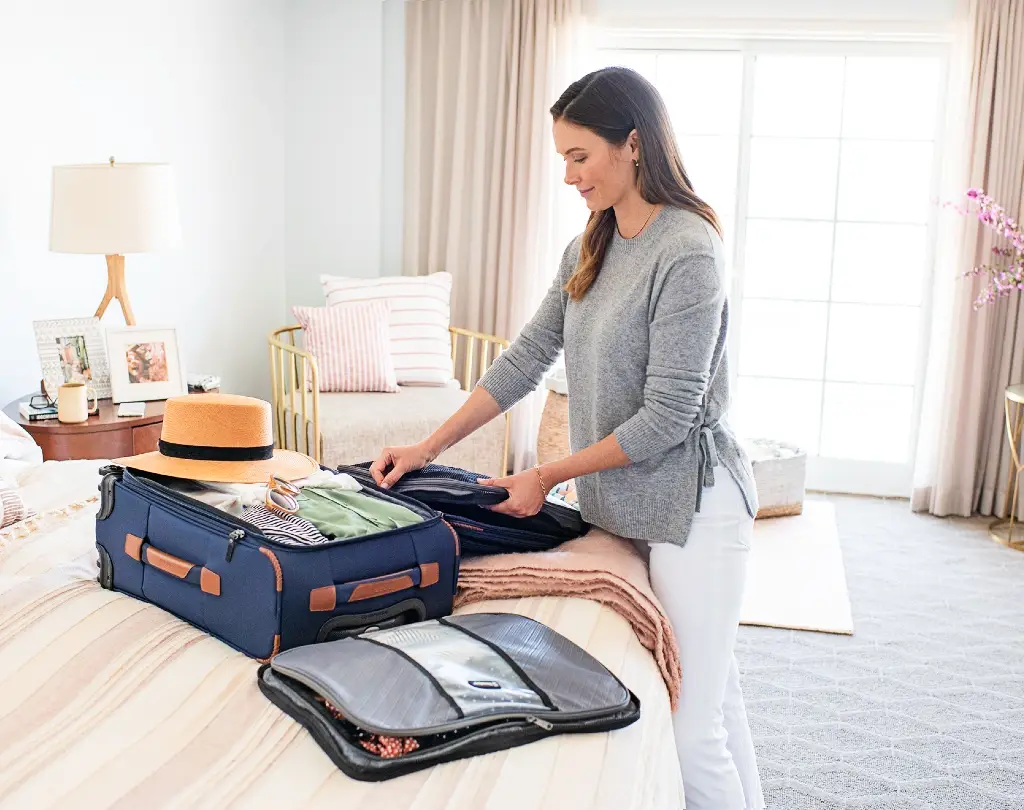
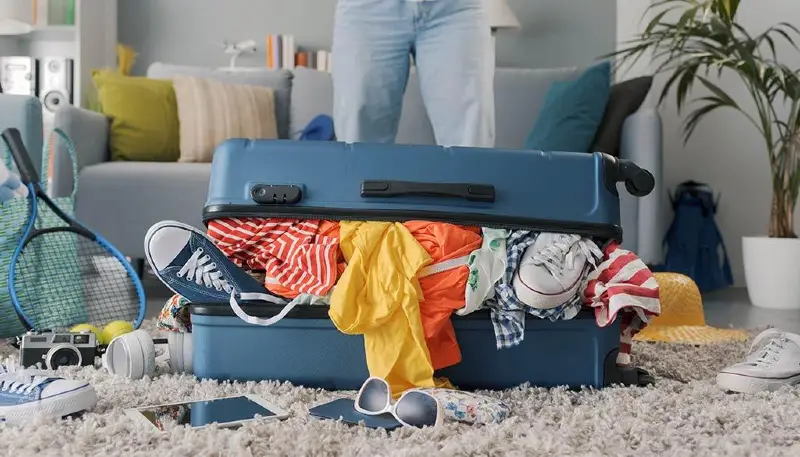
We have all experienced the familiar pre-travel anxiety. You find yourself staring at an open, half-empty bag on your bed, tossing in an extra heavy jumper “just in case” the weather turns, adding three pairs of shoes for a simple two-day trip, and eventually having to sit on the zipper just to force it closed. Overpacking is a universal symptom of travel stress. However, the root cause of this heavy, frustrating burden is often not your specific wardrobe choices, but the actual vessel you are using to transport them.
Choosing the right bag forces physical discipline and fundamentally changes your entire travel mindset. By consciously ditching the traditional habit of taking everything you own, you can learn to travel nimbly and efficiently. This comprehensive guide will explain how selecting the perfect piece of carry on luggage or a meticulously designed checked bag can cure your chronic overpacking habit once and for all, saving you from excess fees and physical exhaustion.
1. The Psychology of “Just in Case”
There is a well-known adage called Parkinson’s Law that applies perfectly to the art of packing: work expands to fill the time allotted for its completion. In the context of global travel, your belongings will inevitably expand to fill the available physical space.
If you start your packing process by opening a massive, cavernous large suitcase, your brain subconsciously feels obligated to fill the dark void. Human nature dictates that empty space feels like a wasted opportunity. Consequently, you will begin packing extra outfits you never wear at home, a bulky coat you do not actually need, and full-sized heavy toiletries that ultimately weigh you down. You are packing for hypothetical scenarios rather than the realistic itinerary ahead of you.
The simplest and most effective psychological trick to combat this anxiety is forced restriction. By purposefully selecting a small suitcase before you even look at your closet or dresser, you establish a firm physical boundary. You are no longer asking yourself, “What else can I fit in here?” but rather, “What is truly essential for my survival and comfort?” This crucial paradigm shift is the absolute foundation of packing like a seasoned, stress-free professional.
2. Choosing the Right Dimensions for the Trip
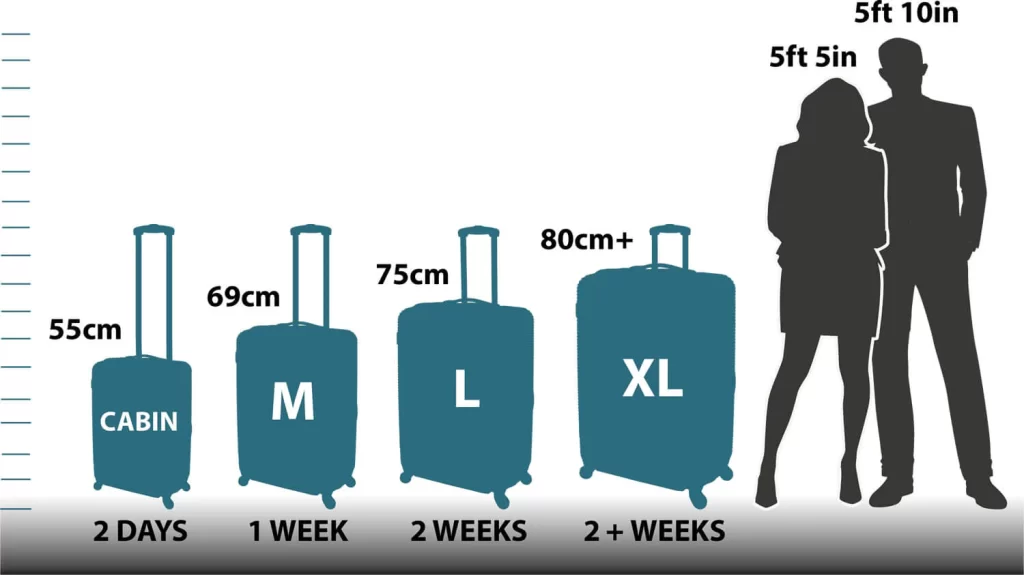
Matching your bag exactly to your itinerary is crucial. Not every trip requires the same volume of clothing, and understanding the correlation between trip length and bag size can save you from unnecessary excess baggage fees at the check-in desk.
- The Weekend Break: For quick domestic getaways or city breaks under four days, checking a bag is an unnecessary luxury that costs you precious time and money. You need a dedicated carry on suitcase that strictly meets standard airline dimensions. Using this specific vessel forces you to create a tightly curated capsule wardrobe and eliminates the temptation to bring multiple heavy jackets.
- The Week-Long Trip: This duration is exactly where many amateur travellers make a critical mistake. They instantly upgrade to a massive checked trunk out of fear. However, a well-organised piece of cabin luggage is entirely sufficient for seven to ten days if you commit to mixing and matching your clothes and perhaps doing a quick sink-wash halfway through the journey.
- The Extended Expedition: There are, of course, legitimate scenarios where a checked bag is absolutely necessary—such as relocating to a new country, packing heavy alpine winter gear, or travelling with infants. If you must use a large suitcase, you must actively mitigate the urge to overpack by using fabric packing cubes. Treat the inside of the massive case as a series of smaller, restricted compartments to maintain the strict discipline you would have with a smaller bag.
No matter the final duration of your adventure, relying heavily on your primary carry on luggage ensures that your absolute daily essentials, expensive electronics, and at least one fresh change of clothes remain safely with you in the cabin. This provides immense peace of mind and protects you from the absolute nightmare of lost checked bags ruining your first few days.
3. The Hidden Burden of Empty Weight
When attempting to avoid overpacking, people obsessively weigh their denim jeans, thick sweaters, and leather shoes. However, they frequently ignore the starting weight of the travel bag itself. Traditional hard cases made from thick ABS plastics, heavy internal metal frames, and dense fabrics can easily weigh up to five kilograms completely empty.
If your chosen airline strictly limits your cabin luggage to a mere ten kilograms, relying on an old, heavy bag instantly consumes half of your total allowance before you have packed a single item. This terrifying mathematical reality forces you to either leave absolute essentials behind or face hefty, punitive fines at the boarding gate.
Upgrading to modern, technologically advanced lightweight luggage made from premium materials like polycarbonate or high-denier nylon polyester is a fundamental game-changer for chronic overpackers. When your small suitcase weighs less than two kilograms empty, you instantly reclaim precious weight allowance for the items you actually need to enjoy your trip. You stop constantly worrying about the airport scales and start focusing on packing smartly. Furthermore, shedding this excess material weight saves your spine, neck, and shoulders from unnecessary physical strain when lifting the bag into overhead lockers or dragging it up steep hotel staircases.
4. Internal Architecture and Organization
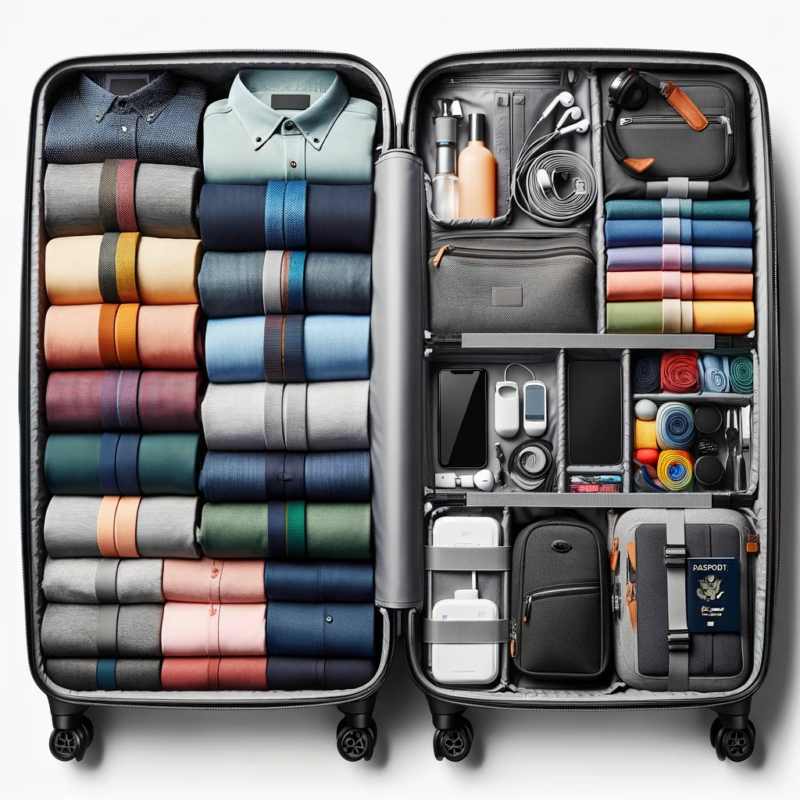
The exterior dimensions of your bag restrict your total volume, but the interior layout dictates exactly how efficiently you use that limited space. A giant, empty internal compartment invites total chaos. Without structure, you will simply toss items inside until it overflows, leading to deep wrinkles and a disorganized mess.
The best luggage features intelligent internal architecture designed specifically to compress your belongings, maintain order, and actively fight against your urge to overpack.
Essential Internal Features to Look For:
- Dual Compartment Split: A 50/50 clam-shell design allows you to physically separate hard goods (like shoes and heavy toiletry bags) from soft goods (like delicate clothing and knitwear).
- Active Compression Straps: High-quality, adjustable internal straps do much more than just hold your clothes in place; they actively compress the air out of folded garments, drastically reducing their overall physical footprint.
- Zipped Mesh Dividers: Fully zipped dividers keep items from shifting laterally during turbulent transit. When items shift and bunch up in a corner, they create unusable dead space.
- Built-in Utility Pockets: Dedicated waterproof pockets for damp swimwear or small zippered pouches for electronic charging cables prevent you from needing extra, bulky organizer bags that consume valuable real estate.
When your carry on suitcase does the hard physical work of compressing and organising your items for you, the psychological urge to overpack naturally diminishes because every single item has a specific, designated home within the bag.
5. The 5-4-3-2-1 Wardrobe Strategy
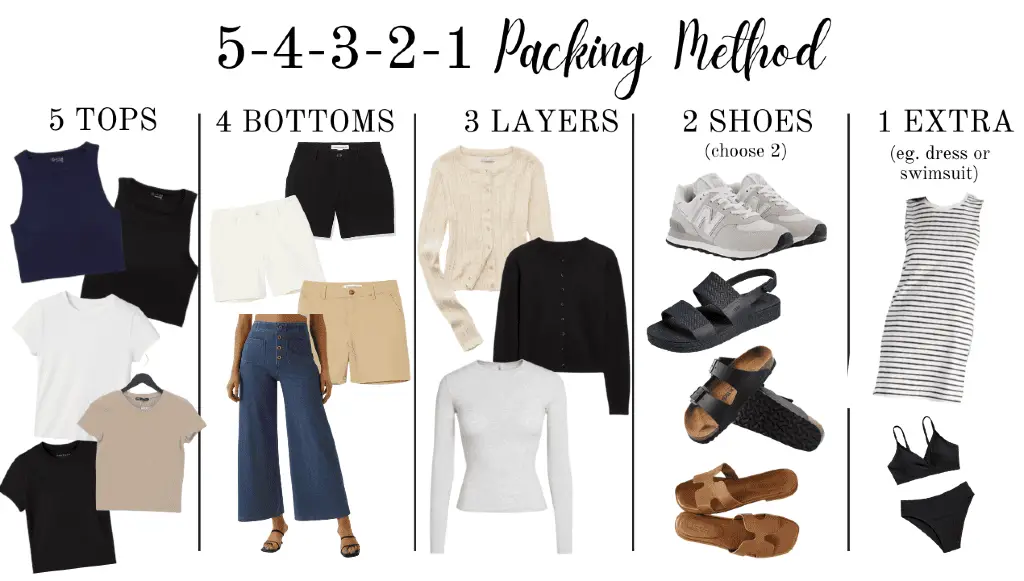
Once you have selected the perfect restrictive bag, you must completely change your clothing philosophy. The most successful global travellers rely on strict numerical packing frameworks to prevent emotional, last-minute additions to their wardrobe. The famous 5-4-3-2-1 method is a foolproof way to avoid overpacking.
The Formula for a One-Week Trip:
- 5 Tops: A mix of casual t-shirts and slightly dressier blouses or button-downs.
- 4 Bottoms: This could include a mix of comfortable travel trousers, a pair of dark jeans, a skirt, or tailored shorts depending entirely on your destination’s climate.
- 3 Accessories: Limit yourself to one pair of sunglasses, one versatile belt, and one piece of statement jewellery.
- 2 Pairs of Shoes: Shoes are the heaviest items you own. Wear your bulkiest, most comfortable trainers on the airplane, and pack exactly one alternative pair (like a sleek sandal or an evening loafer).
- 1 Multi-use Outerwear: A highly versatile jacket or a smart blazer that layers well over all your selected tops.
By sticking rigidly to this mathematical formula, you eliminate the guesswork. Every top must match every bottom, creating a cohesive capsule wardrobe that offers dozens of unique outfit combinations without requiring you to pack your entire closet.
6. Taming Toiletries and Technology
The final frontier of overpacking usually occurs in the bathroom and the home office. Toiletries are heavy, prone to catastrophic leaks, and take up a disproportionate amount of space.
Never pack full-sized bottles of shampoo, conditioner, or daily moisturizer. Instead, invest in high-quality, reusable silicone travel tubes and decant only the exact amount of liquid you will need for the duration of the trip. Better yet, switch entirely to solid toiletries. Solid shampoo bars, toothpaste tablets, and solid perfumes last significantly longer, take up a fraction of the space, and completely bypass strict airport security liquid limits.
Similarly, be ruthless with your technology. Unless you are travelling strictly for work, leave the heavy laptop behind. Consolidate your reading material onto a single e-reader rather than packing three heavy paperbacks. Utilise a single universal travel adapter with multiple USB ports rather than bringing individual plug heads for your phone, watch, and headphones.
Conclusion
Overpacking is deeply rooted in travel anxiety, but like all bad habits, it can be permanently broken with the right physical tools and a deliberate shift in perspective. By acknowledging the simple fact that you will always expand your belongings to fill whatever space is available, you can proactively defend against it.
Selecting modern, durable, and lightweight luggage is the single greatest investment you can make for stress-free travel. Whether you are expertly navigating the incredibly strict weight limits of modern budget airlines or simply trying to save your back from exhaustion on a long international transit, the best luggage will quietly enforce discipline. It protects your belongings, keeps you perfectly organized, and allows you to focus entirely on the exciting adventure ahead, rather than the heavy, unnecessary burden trailing behind you.