


Blog
Airline Cabin Luggage Rejected? Avoid These Common Mistakes

There are few travel moments more frustrating than reaching the boarding gate, only to be told your bag doesn’t meet airline requirements. Whether it’s too large, too heavy, or simply overpacked, having your cabin luggage rejected can lead to unexpected fees, delays, and unnecessary stress.
With airlines—especially in Europe and the UK—becoming increasingly strict, understanding the rules and avoiding common mistakes is essential. This comprehensive guide will show you exactly why bags get rejected and how to ensure your luggage passes every time.
✈️ Why Cabin Luggage Gets Rejected
Airlines enforce strict rules to maximize space and efficiency. If your bag doesn’t meet their criteria, it won’t make it onboard.
The most common reasons include:
- Oversized bags
- Excess weight
- Overpacking
- Incorrect bag type
Even experienced travelers sometimes make these mistakes when using carry on luggage, assuming all airlines follow the same standards—which they don’t.
🚫 Mistake #1: Ignoring Airline Size Limits
One of the biggest reasons travelers get stopped is size.
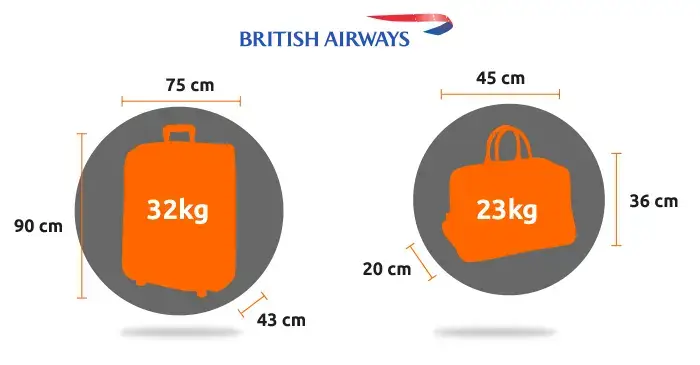
Each airline has slightly different requirements, but most follow general cabin limits:
- Around 55 x 40 x 20 cm for overhead
- Smaller dimensions for under-seat bags
If your carry on suitcase exceeds these dimensions—even slightly—it may be rejected at the gate.
Pro Tip:
Always check your airline’s exact size policy before packing. Don’t assume your bag will fit just because it worked on a previous flight.
⚖️ Mistake #2: Underestimating Weight Restrictions
Weight limits are just as important as size.
Many airlines restrict cabin luggage to 7–10 kg. If your bag exceeds this, you may be forced to check it in and pay extra fees.
A heavy large suitcase is especially risky. Even if it technically fits in the cabin, its weight alone can get it rejected.
🎒 Mistake #3: Choosing the Wrong Type of Bag
Not all suitcases are designed for cabin use.
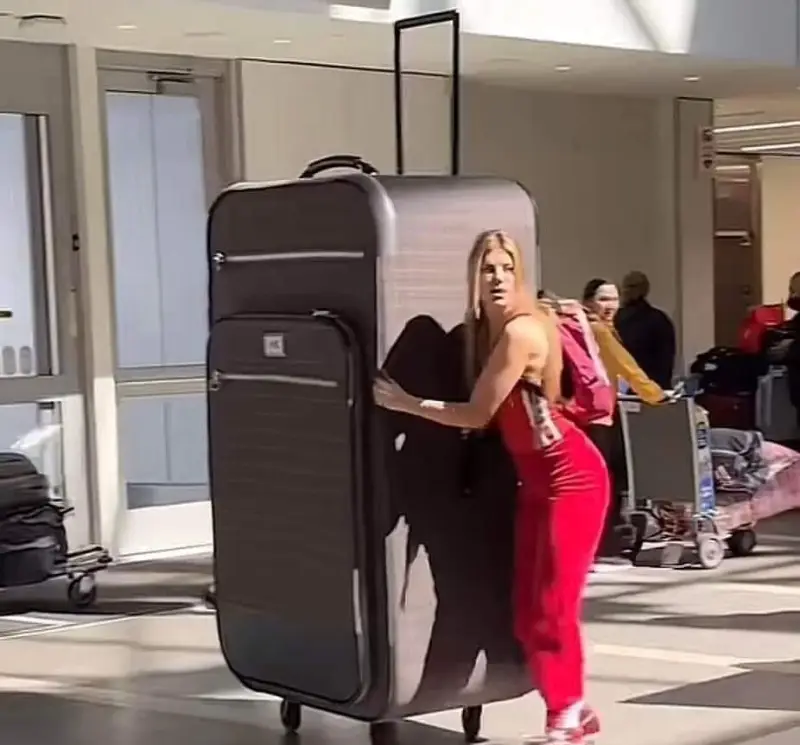
Some travelers try to bring a large suitcase onboard, assuming they can “get away with it.” Others bring soft bags that expand beyond the allowed size.
Instead, opt for a properly sized small suitcase that is specifically designed for cabin travel. A well-structured small suitcase ensures compliance and makes your journey smoother.
🧳 Mistake #4: Overpacking Your Bag
Overpacking is one of the most common—and avoidable—mistakes.
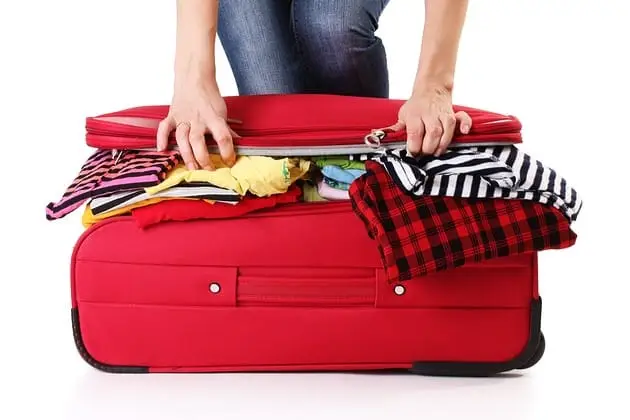
When you overfill your carry on luggage:
- The bag expands beyond allowed dimensions
- Zippers become stressed
- The shape becomes irregular
This is particularly problematic with soft-sided carry on suitcase designs, which can bulge and fail size checks.
🧠 Mistake #5: Not Using Lightweight Luggage
The weight of your empty bag matters more than you think.
A heavy suitcase reduces your packing allowance and increases the chance of exceeding airline limits.
Investing in lightweight luggage can make a huge difference. Modern lightweight luggage is designed to maximize space while minimizing weight, giving you more flexibility.
🛑 Mistake #6: Bringing Too Many Items
Airlines often allow:
- One cabin bag
- One personal item
However, many travelers push this limit by carrying extra bags, shopping items, or bulky accessories.
Even if your main cabin luggage is compliant, exceeding the item limit can still result in rejection.
👟 Mistake #7: Packing Bulky Items Instead of Wearing Them
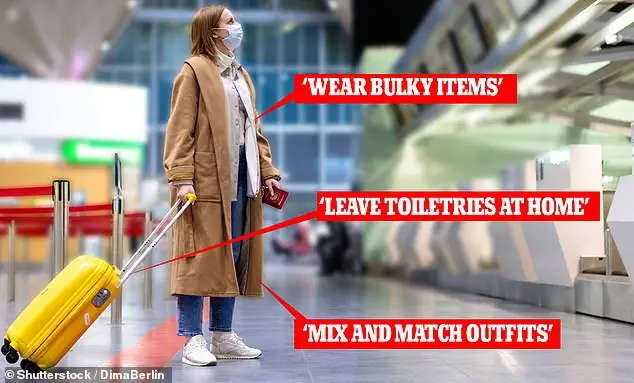
Bulky clothing like jackets, boots, and sweaters can quickly fill your bag.
Instead of packing them into your carry on luggage, wear them during the flight. This simple trick saves space and reduces weight.
This is especially helpful when using a compact small suitcase, where every inch matters.
🧩 Mistake #8: Poor Organization
A disorganized bag is harder to manage and more likely to exceed limits.
Using packing cubes and smart folding techniques helps maintain structure and prevent over-expansion.
Well-organized cabin luggage not only fits better but also passes inspections more easily.
💼 Mistake #9: Choosing Style Over Function
Many travelers prioritize aesthetics over practicality.
While a stylish bag is appealing, it may not meet airline requirements. The best luggage combines design with functionality—offering durability, proper sizing, and smart features.
When choosing the best luggage, always prioritize performance over appearance.
🛍️ Mistake #10: Not Researching Before Buying
Buying luggage without research often leads to problems.
A bag that works for one airline may fail for another. Before purchasing, ensure your suitcase:
- Meets standard cabin dimensions
- Is lightweight
- Has good reviews
The best luggage is one that aligns with your travel habits and airline requirements.
✅ How to Ensure Your Cabin Luggage Is Accepted
To avoid rejection, follow these simple steps:
✔️ Check Airline Policies
Always verify size and weight limits before your trip.
✔️ Weigh Your Bag at Home
Use a luggage scale to ensure compliance.
✔️ Use the Right Bag
Choose a proper carry on suitcase designed for cabin use.
✔️ Pack Smart
Avoid overpacking and use space efficiently.
✔️ Choose Lightweight Materials
Invest in high-quality lightweight luggage to maximize your allowance.
🎯 Cabin vs Checked Luggage: What to Choose?
Sometimes, trying to fit everything into cabin luggage creates more stress than it saves.
If you’re traveling with:
- Heavy items
- Bulky clothing
- Long trip essentials
It might be better to use a checked large suitcase instead.
However, for short trips, a well-packed carry on luggage remains the most efficient option.
🏆 Final Thoughts
Having your bag rejected at the airport is not just inconvenient—it’s avoidable.
By understanding airline rules and avoiding common mistakes, you can travel with confidence and avoid unnecessary fees.
Remember:
- Choose the right size
- Keep your bag light
- Pack strategically
- Invest in quality
A reliable carry on suitcase and smart packing habits will ensure your cabin luggage is always accepted—no matter where you fly.
In the end, the difference between a stressful trip and a smooth journey often comes down to one simple decision: choosing the right bag.