

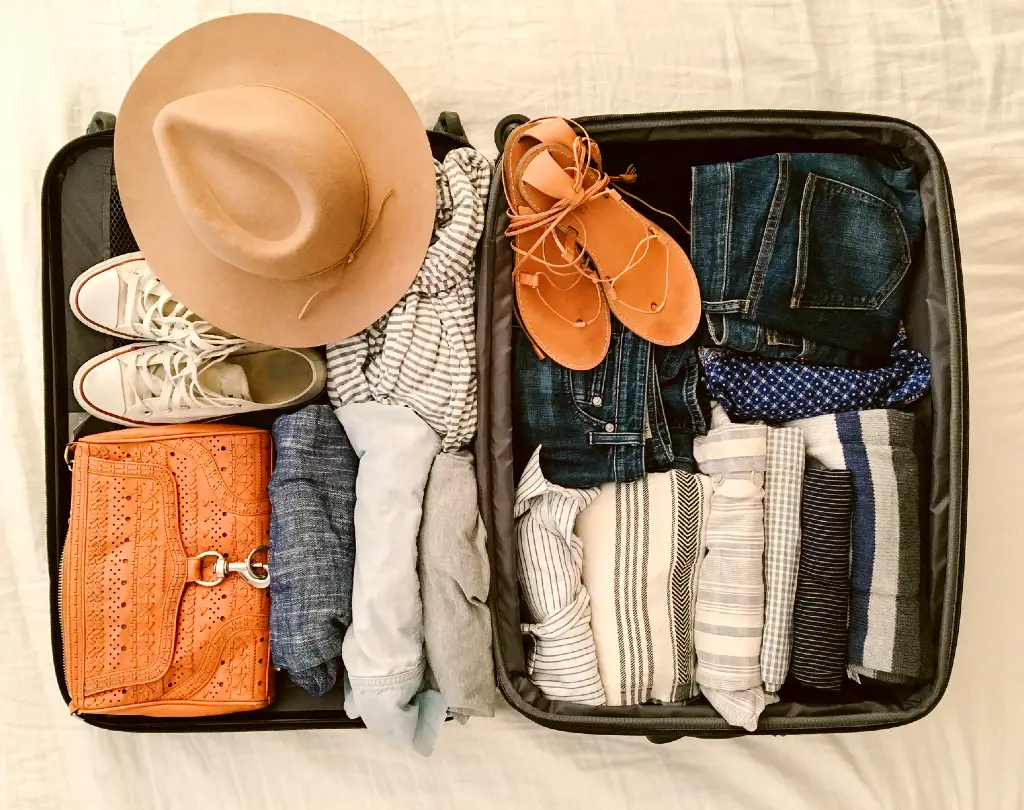
Blog
How to Organize Your Suitcase Like a Pro (Step-by-Step Guide)

Traveling the world, exploring new cities, or relaxing on a sun-drenched beach should be entirely joyful experiences. However, for a significant majority of travelers, the anxiety begins days before departure—the exact moment they pull an empty bag from the closet. Disorganized packing inevitably leads to wrinkled clothing, leaking shampoo bottles, overweight baggage fees, and the frustrating realization that you have packed five pairs of shoes but completely forgotten your essential travel adapter.
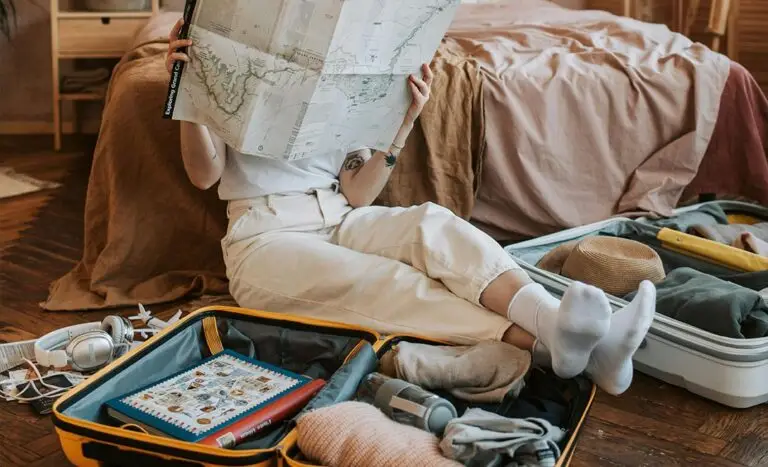
Whether you are preparing for a brief domestic business trip or a month-long international expedition, mastering the art of packing is an essential life skill. An organized bag saves time, protects your belongings, prevents physical strain, and sets a calm psychological tone for the entirety of your journey. This comprehensive, step-by-step guide will teach you exactly how to organize your suitcase like a seasoned professional, ensuring you arrive at your destination refreshed and ready to explore.
Step 1: Select the Perfect Vessel for Your Trip
Before you can implement any organizational strategies, you must have the right foundation. Not all bags are created equal, and your choice will completely dictate your packing methodology and limits.
If you are flying out for a quick weekend getaway, a small suitcase is usually more than sufficient. This limited space forces you to be hyper-mindful of your choices, naturally preventing the urge to overpack. For frequent business travelers or those wanting to bypass the dreaded baggage claim carousel entirely, a well-structured carry on suitcase is your greatest asset. It provides superior mobility and speed through busy airport terminals.
Conversely, if you are relocating, heading to a freezing cold-weather destination, or embarking on an extended cruise with multiple formal dress codes, a large suitcase provides the necessary volume. However, beware: the more space you have, the more you will be tempted to fill it blindly, requiring even stricter internal organization to prevent your items from shifting into a chaotic jumble in transit.
When shopping for an upgrade, prioritize lightweight luggage. Modern airlines are increasingly punitive regarding weight limits, even for cabin bags. If your empty bag weighs several kilograms before you even add a single t-shirt, you are already at a severe disadvantage. Keep a close eye on retail calendars for a seasonal luggage sale—particularly around Black Friday or the end of summer—to score premium polycarbonate or nylon polyester gear at a heavily discounted price. Ultimately, the best luggage is one that aligns perfectly with your travel habits, featuring durable high-quality zippers, smooth 360-degree spinner wheels, and smartly designed internal compression straps.
Step 2: The Pre-Packing Purge and the Capsule Wardrobe
The single biggest mistake amateur packers make is pulling clothes directly off their hangers and tossing them straight into the bag. To pack like a pro, you must first curate your collection.
Start by laying every single item you think you want to bring out on your bed or the floor. Seeing it all visually laid out is crucial. Now, ruthlessly edit. Remove at least one-third of the items you just laid down.
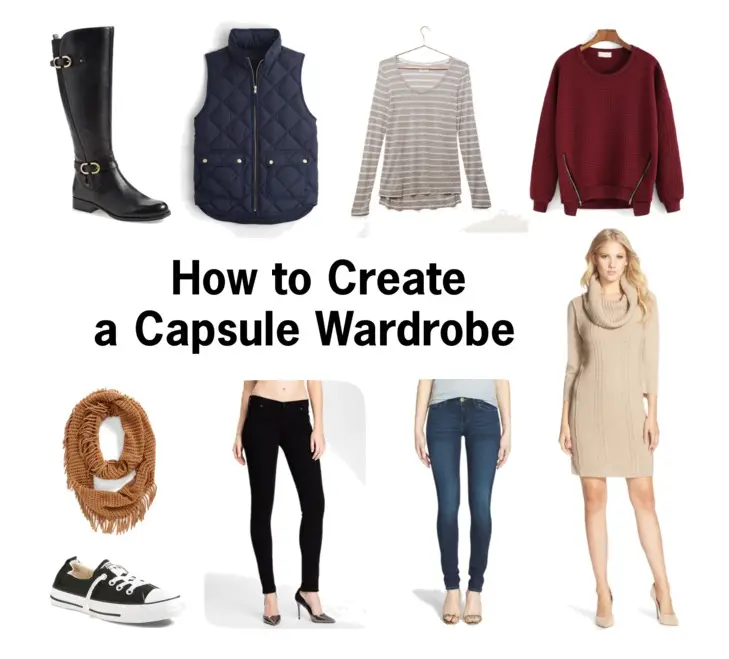
The golden rule of professional packing—especially when you are restricted to the strict confines of carry on luggage—is building a “capsule wardrobe.” This concept revolves around selecting a core base color palette (such as navy, black, olive, or beige) and ensuring that every single top matches every single bottom. If a flamboyant shirt only works with one specific pair of trousers, leave it at home.
Focus on highly versatile layers rather than single-use bulky items. When your space is strictly limited to your cabin luggage, multi-purpose items are invaluable. An oversized scarf, for example, can serve as a fashion accessory, a blanket for freezing airplane cabins, or a shoulder-cover for visiting religious sites. Aim to pack enough clothing for exactly one week, regardless of whether your trip is seven days or thirty days; you can always utilize hotel laundry services or find a local laundromat.
Step 3: Mastering Advanced Packing Techniques
How you physically manipulate and place your clothing into the bag determines how much you can fit and how wrinkled it will be upon arrival. Professional travelers utilize a mix of three primary techniques:
- The Ranger Roll: Borrowed from military packing strategies, the Ranger Roll involves folding the edges of a garment inward and rolling it incredibly tight, securing it with an inverted cuff. This is vastly superior to folding for t-shirts, jeans, leggings, and casual wear. It squeezes out trapped air, drastically reduces creases, and allows you to view all your clothes at a glance rather than digging blindly through vertical stacks. This ultimate space-efficiency makes it the preferred tactic for maximizing a carry on suitcase.
- The Flat Fold: While rolling is great for casual wear, stiff garments like linen button-downs, blazers, or formal dresses must be folded carefully. Place tissue paper or dry cleaning bags between the folds; the slippery surface reduces friction, which is the primary cause of deep fabric wrinkles.
- The Bundle Method: This is an advanced technique where you wrap your longer clothing items (like trousers and long-sleeve shirts) tightly around a central, soft core (like a pouch containing your underwear and socks) to create one large, tension-free bundle. It is highly effective for business attire.
No matter which specific method you employ, consistency is the key to maximizing the precious real estate inside your carry on luggage.
Step 4: The Revolutionary Magic of Packing Cubes
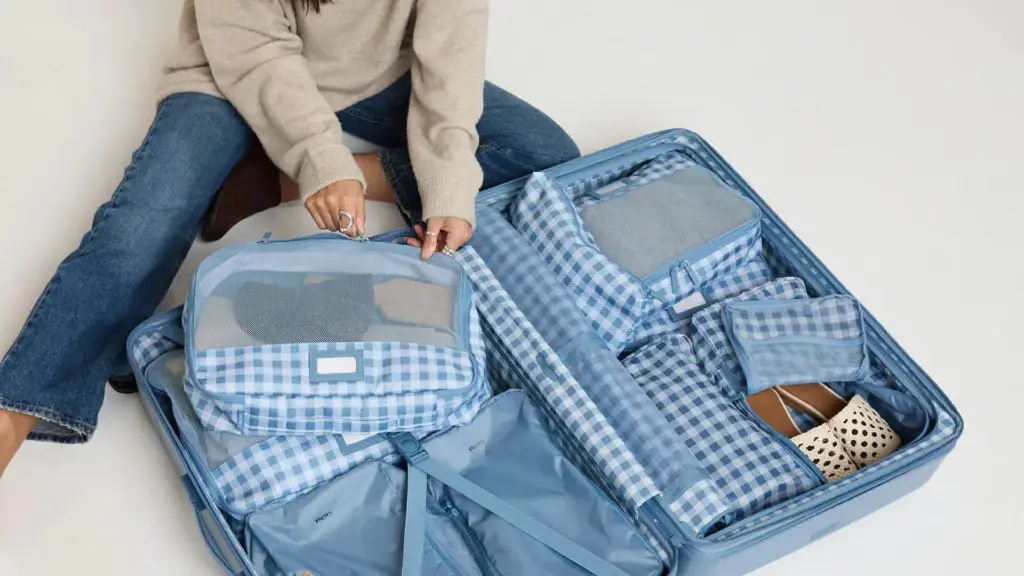
If you adopt only one organizational tool from this entire guide, let it be packing cubes. These lightweight, zippered fabric containers will fundamentally revolutionize the way you travel.
Instead of your bag acting as a cavernous, disorganized black hole, packing cubes divide your space into a series of neat, miniature drawers. Dedicate one cube specifically to tops, another to bottoms, and a smaller one to your socks and undergarments. This modular approach is incredibly scalable. If you are packing for a weekend using a small suitcase, you might only need two or three small cubes to contain everything. If you are attempting to organize a massive large suitcase for a complex family vacation, utilizing color-coded cubes for each family member ensures absolute harmony and prevents stressful clothing mix-ups.
Compression cubes are a highly recommended upgraded version of this tool. They feature an extra perimeter zipper that, when closed, squeezes out excess air, compressing the clothing down by an additional 30%. When you finally arrive at your hotel, you simply lift the cubes out of your bag and place them directly into the dresser drawers. You never have to live out of a messy suitcase again.
Step 5: Strategic Layering and Weight Distribution
A perfectly organized bag has a distinct, intentional topography. You must distribute weight thoughtfully to ensure your bag doesn’t constantly tip over while you are waiting in line, and to guarantee your fragile items survive rough baggage handlers.
- The Base Layer (Heavy and Awkward Items): Always place your heaviest items at the bottom end of the suitcase, nearest to the wheels. This includes your shoes, toiletry bag, and thick denim. Giving the bag a low center of gravity prevents it from toppling. Pro Tip: Always stuff the insides of your shoes with rolled-up socks or belts to help the footwear maintain its shape and to utilize otherwise dead space. Place each pair of shoes inside a fabric dust bag or a disposable shower cap to keep the dirty soles away from your clean clothes.
- The Middle Layer (Core Clothing): This is where your neatly rolled clothing or your packed packing cubes belong. Fill any awkward gaps, hollows, or spaces between the internal handle tubes with small, pliable items like chargers, hair tools, or extra underwear. Tightly packing the middle layer acts as a shock absorber and prevents items from shifting during transit.
- The Top Layer (Delicates and Security Essentials): Lay your folded formal wear, delicate blouses, and light jackets flat on the very top. If you are strictly flying with cabin luggage, you must ensure your clear, quart-sized ziplock bag of liquid toiletries is easily accessible right at the zipper line. You should be able to swiftly pull it out at the airport security checkpoint without having to frantically dismantle your carefully constructed layers.
Step 6: Taming Toiletries, Tech, and Tangled Wires
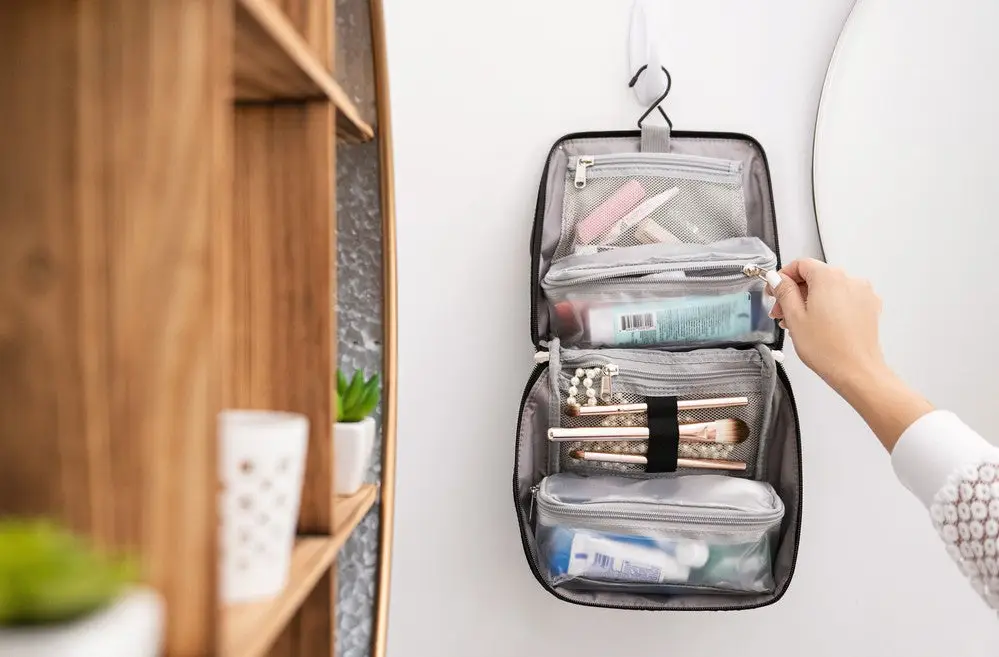
Toiletries are notoriously frustrating to pack. They are heavy, take up disproportionate amounts of space, and are prone to catastrophic, trip-ruining leaks. Never, under any circumstances, pack full-sized bottles of shampoo, conditioner, or lotion.
Instead, decant your favorite daily products into reusable, leak-proof silicone travel bottles (ensuring they are well under the standard 100ml aviation limit). To prevent pressure explosions during high-altitude flights, unscrew the cap of the bottle, place a small square of plastic wrap over the opening, and tightly screw the cap back on over the plastic. Better yet, switch to solid toiletries. Solid shampoo bars, conditioner bars, and solid perfumes last much longer, take up a fraction of the space, and don’t count towards your restrictive liquid allowance at security.
Similarly, electronics and cables require strict organization. Keep all your smartphone chargers, laptop cables, e-readers, and universal travel adapters in a dedicated, padded tech organizer pouch. Loose cables easily tangle, get permanently damaged, and look like a suspicious mess on security X-ray scanners. By keeping your technology contained, you protect your expensive gear and maintain a tidy interior. When you utilize modern, high-quality, lightweight luggage, every single ounce of saved weight and every inch of saved space allows you to pack more efficiently, ultimately leaving room for souvenirs on the journey home.
Step 7: Managing Dirty Laundry and Odors
An often-overlooked aspect of suitcase organization is what to do once the trip is underway and clean clothes begin transitioning into dirty laundry. If you do not have a dedicated system, your clean and dirty items will inevitably mix, leaving your entire wardrobe smelling stale.
Always pack a lightweight, travel-sized fabric laundry bag (or a simple, durable plastic bag) to keep soiled items strictly quarantined. To keep the interior of your bag smelling fresh throughout the duration of your trip, tuck a lightly scented dryer sheet or a small natural cedar block into one of the interior mesh pockets. When you repack to go home, use your compression techniques to squeeze the air out of the dirty laundry bag, as casually tossed dirty clothes often take up significantly more volume than neatly folded clean ones.
Conclusion
Organizing your suitcase like a true professional is not an innate, magical talent you are born with; it is a highly logical, learned skill that requires a bit of pre-trip discipline and the right physical tools.
By carefully curating a versatile capsule wardrobe, strictly utilizing the magic of packing cubes, mastering the art of the ranger roll, and executing strategic spatial layering, you will permanently transition from a frantic, stressed packer into a calm, seasoned traveler. Keep an open eye for the next big luggage sale to upgrade your travel gear, because having the absolute best luggage combined with these expert packing strategies will ensure you are always perfectly prepared for your next great global adventure.